

DEAR BASEL MEMBERS,
We would like to invite your representatives to attend a free webinar on the topic of the "Digital Product Passport," which will take place on November 10, 2026, at 11:00 AM.
The ESPR Regulation (2024/1781) makes this mandatory, implemented in stages across different product groups. Once the delegated act for a specific group comes into effect, member states may impose sanctions—including fines and potential exclusion from public procurement processes.
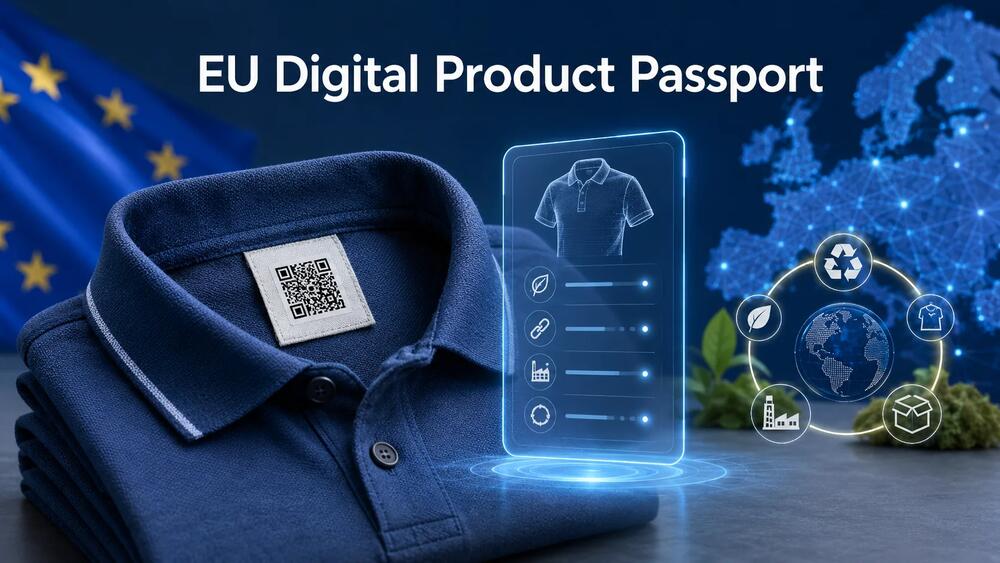
The Digital Product Passport (DPP) is an electronic record containing key information about a product: its composition, origin, repair instructions, and recycling procedures. It is accessed by scanning a code—typically a QR code—found on the product or its packaging. This opens a standard webpage, requiring no app installation.
Why is it being introduced?
The passport is part of the EU’s circular economy policy. Its goal is to ensure that product information accompanies the item throughout its entire lifecycle—from the manufacturer to the buyer, repair services, and recycling facilities—while applying the same requirements to both EU-manufactured and imported products.
Not all information in the passport is public. Some data is visible to everyone, while other parts are accessible only to repair services, recyclers, and regulatory authorities. Commercially sensitive information—such as details regarding suppliers—is not disclosed publicly.
Three regulations, three timelines
The passport does not stem from a single piece of legislation, nor does it become mandatory for all products simultaneously. Currently, three EU regulations are introducing this requirement.
Batteries – Regulation (EU) 2023/1542. The first specific date is set here: as of February 18, 2027, a passport will be mandatory for batteries used in electric vehicles, light means of transport (such as e-bikes and e-scooters), and industrial batteries with a capacity exceeding 2 kWh. It is accessed via a QR code located on the battery itself.
Construction Products – Regulation (EU) 2024/3110. The new regulation on construction products enters into force on January 7, 2025, and also introduces a digital passport, though according to its own specific timeline. There is currently no set date for when this passport will become mandatory.
All Other Products – Regulation (EU) 2024/1781 (ESPR). The Ecodesign for Sustainable Products Regulation has been in effect since July 18, 2024, and serves as the overarching framework. It does not, in itself, mandate the issuance of a passport; rather, requirements for specific product groups are established through separate acts issued by the European Commission. Obligations will take effect no sooner than 18 months after the regulation enters into force. The current work plan prioritizes iron and steel, followed by textiles, tires, aluminum, and furniture. For most other products—including electronics—no date has been established yet.
Who is affected?
The obligation lies with the party placing the product on the market—either the manufacturer or the importer. However, suppliers of components and materials are also affected: their clients will require data from them—data without which the clients cannot complete their own product passports.
What BASEL members will gain from the webinar:
∙ A clear understanding of what a Digital Product Passport is and how it functions;
∙ An overview of which industry products are already subject to passport requirements and which are not yet covered;
∙ Guidance on the data their clients will request, enabling them to begin collection in a timely manner;
∙ A demonstration of an active product passport, accessed via a QR code on a mobile phone;
∙ Answers to their specific questions.
Please register your participation by sending an email to o.dimitrov@basel.bg no later than November 9, 2026.
A link to join the webinar will be sent to all registered participants.
Best regards,
BASEL Secretariat
16 Sveta Nedelya Sq., 6th floor, Office 10, Sofia 1000, Bulgaria
Tel.: +359 2 963 3532
Email: basel@basel.bg